Calgary Stampede
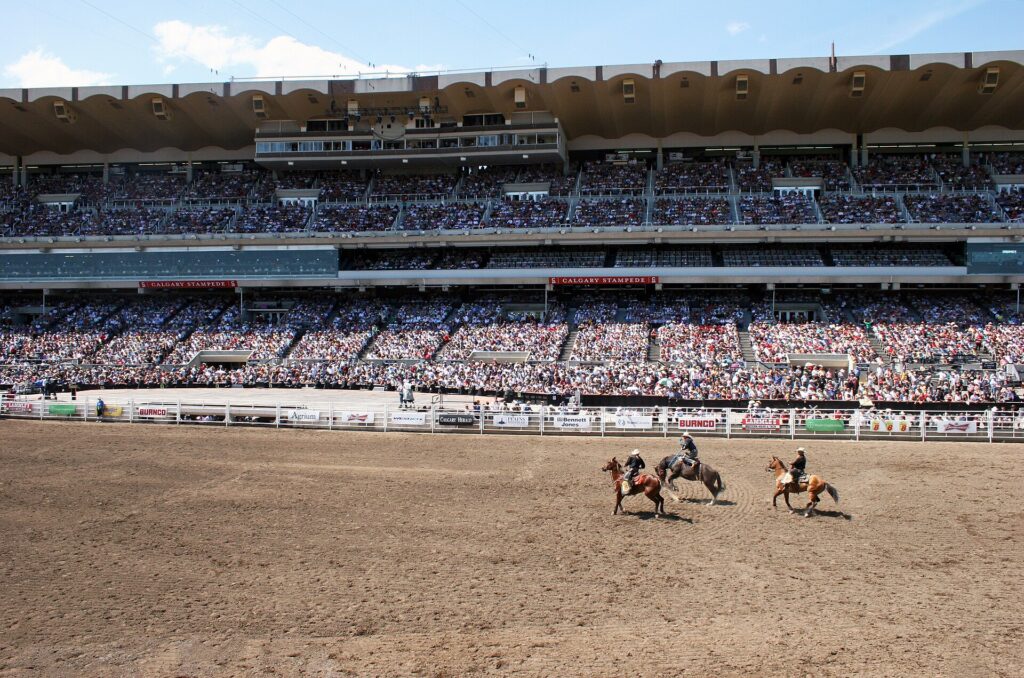
Billed as "The Greatest Outdoor Show on Earth," the Stampede has run since 1912 with rodeo, chuckwagon racing, a midway and concerts. For ten days each July, the whole city joins in.
Living in Calgary
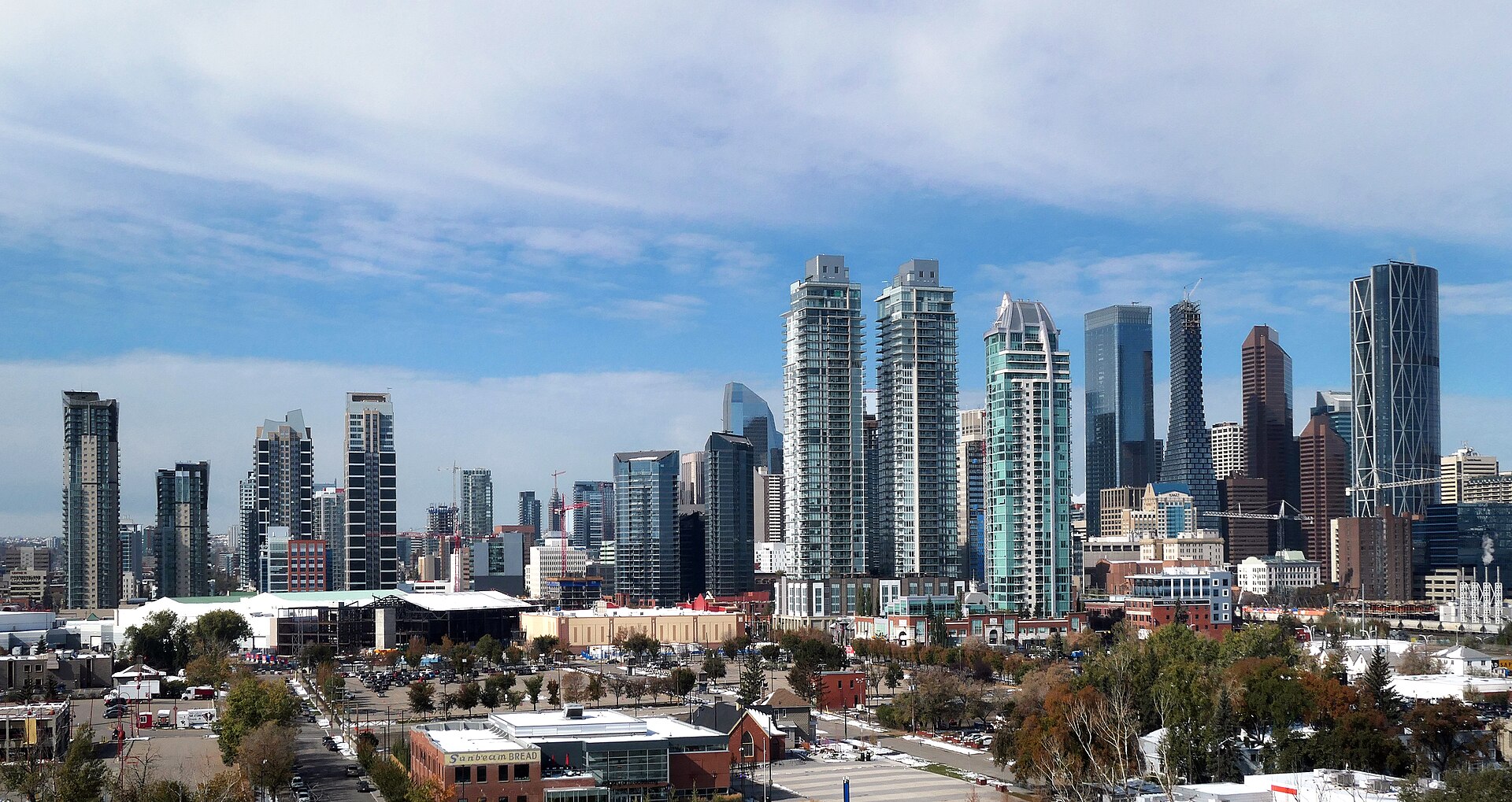
Get to know Calgary's history, arts and culture, and the outdoor lifestyle that draws families from across Canada.
History
Long before Calgary appeared on any map, the land where the Bow and Elbow Rivers meet was a gathering place. The Blackfoot call it Mohkínstsis, meaning "elbow," after the bend in the river. For thousands of years it was home to the nations of the Blackfoot Confederacy (the Siksika, Piikani and Kainai), the Tsuut'ina and the Stoney Nakoda (the Chiniki, Bearspaw and Goodstoney First Nations), who signed Treaty 7 with the Crown in 1877. Calgary is also part of the historic Northwest Métis homeland.
In 1875 the North-West Mounted Police built a post at the meeting of the rivers. It was soon named Fort Calgary, after Calgary on the Scottish Isle of Mull. The arrival of the Canadian Pacific Railway in 1883 brought settlers, ranchers and merchants. Calgary became a town in 1884 and, on January 1, 1894, the first city in what is now Alberta.
Ranching shaped the city's character. In 1912 four local businessmen, known as the "Big Four," backed the first Calgary Stampede, which drew more than 100,000 people. Oil discoveries at Turner Valley (1914) and Leduc (1947) turned Calgary into the head-office capital of Canada's energy industry. In 1988 it became the first Canadian city to host the Olympic Winter Games, and the way neighbours pulled together after the 2013 flood is now part of the city's identity.
The North-West Mounted Police build a post at the confluence of the Bow and Elbow Rivers. It soon becomes Fort Calgary.
The Blackfoot Confederacy, Tsuut'ina and Stoney Nakoda nations sign Treaty 7.
The Canadian Pacific Railway reaches Calgary, bringing a wave of settlement.
Calgary is incorporated as a city, the first in what is now Alberta.
The first Calgary Stampede draws more than 100,000 visitors.
Calgary becomes the first Canadian city to host the Olympic Winter Games.
Arts & culture
For ten days every July the Stampede fills the city with chuckwagon races and pancake breakfasts, and the rest of the year Calgary's arts scene keeps growing.
Billed as "The Greatest Outdoor Show on Earth," the Stampede has run since 1912 with rodeo, chuckwagon racing, a midway and concerts. For ten days each July, the whole city joins in.
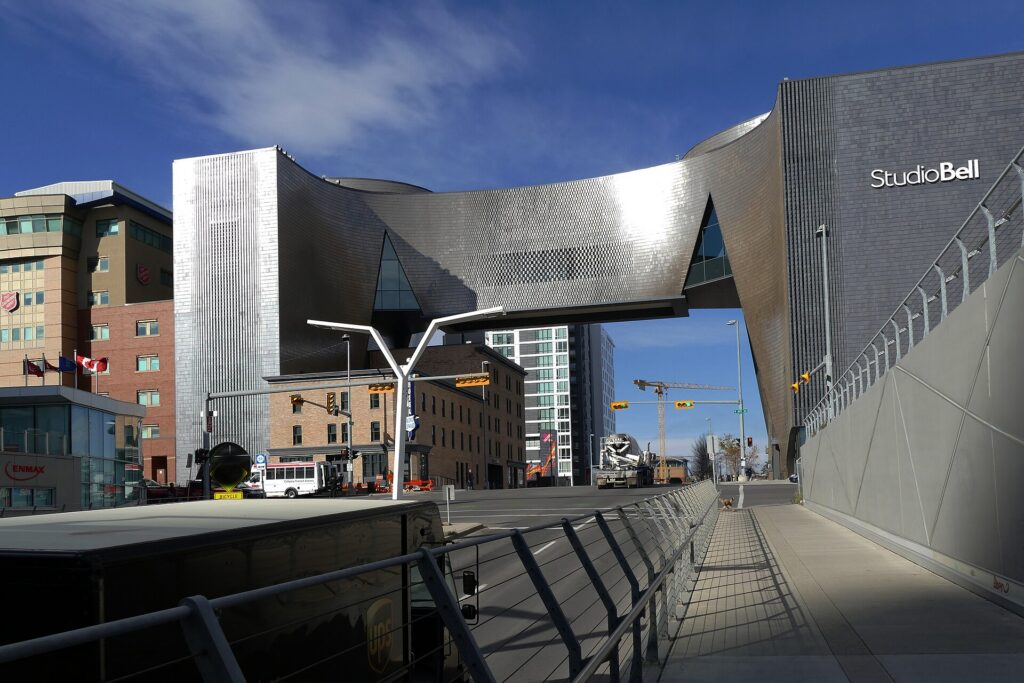
Home of the National Music Centre, this East Village landmark tells Canada's music story through rare instruments, interactive exhibits and live performances.
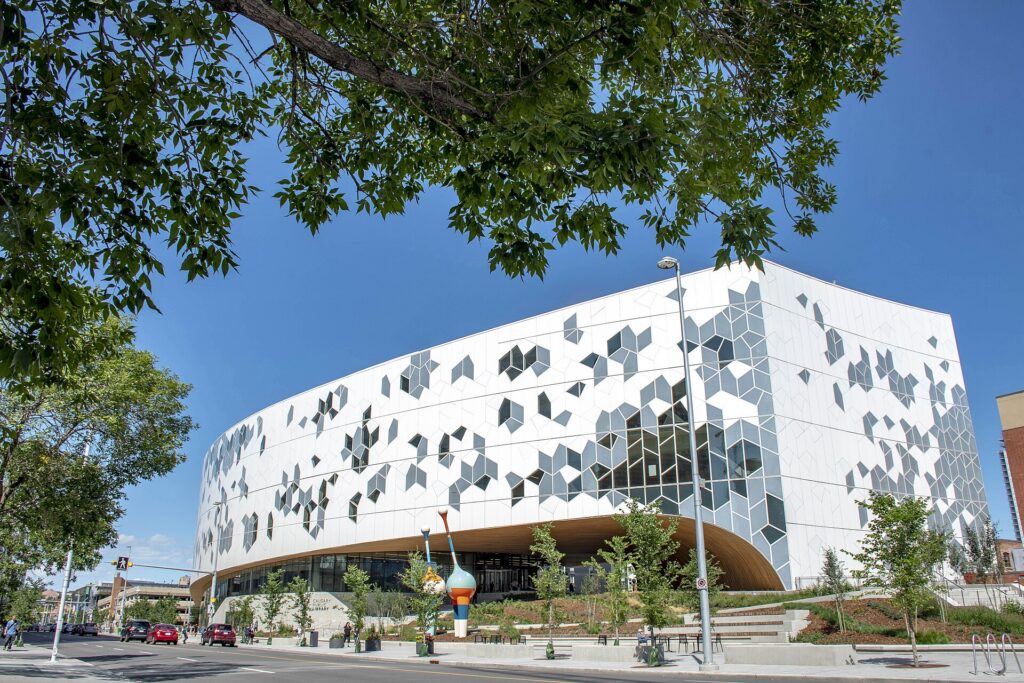
Opened in 2018, the library's light-filled timber interior makes it one of the city's most celebrated buildings, with free programs for all ages.
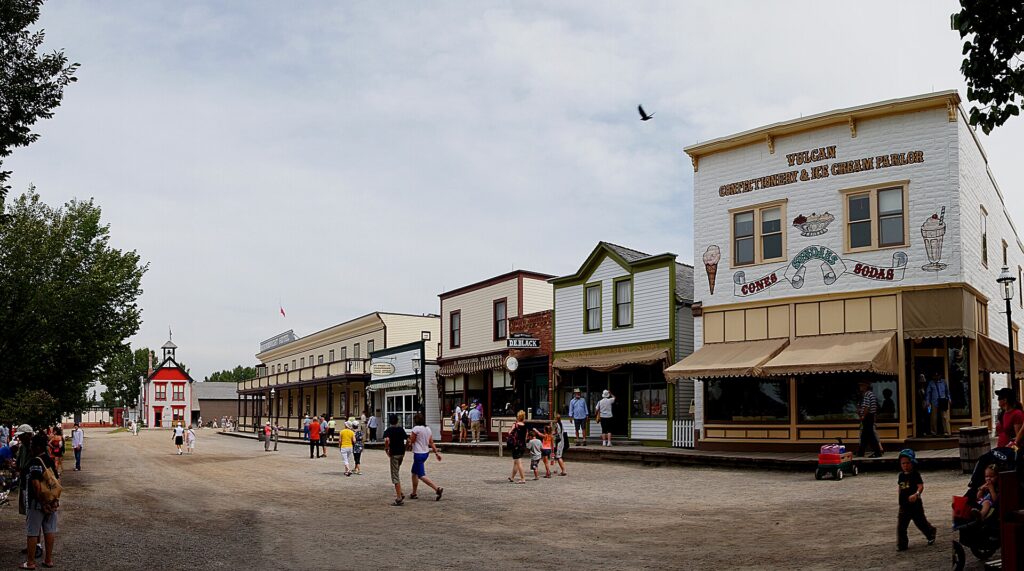
On 127 acres beside the Glenmore Reservoir, one of Canada's largest living history museums brings the West's past to life with a working steam train.
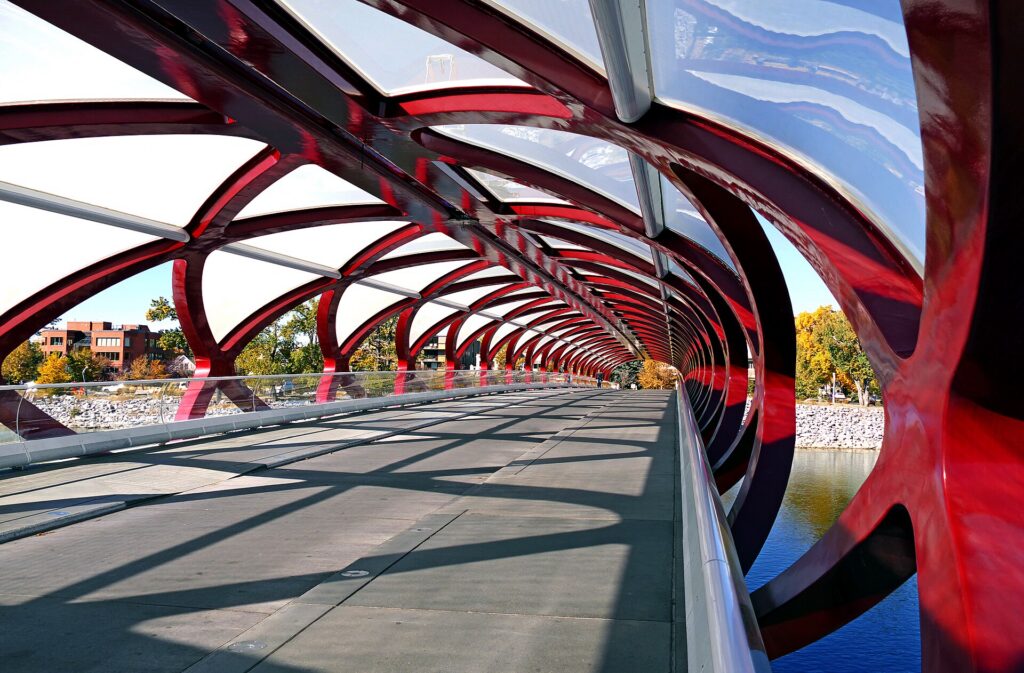
Designed by Santiago Calatrava and opened in 2012, the red helix footbridge links downtown to Sunnyside and is one of Calgary's most photographed spots.
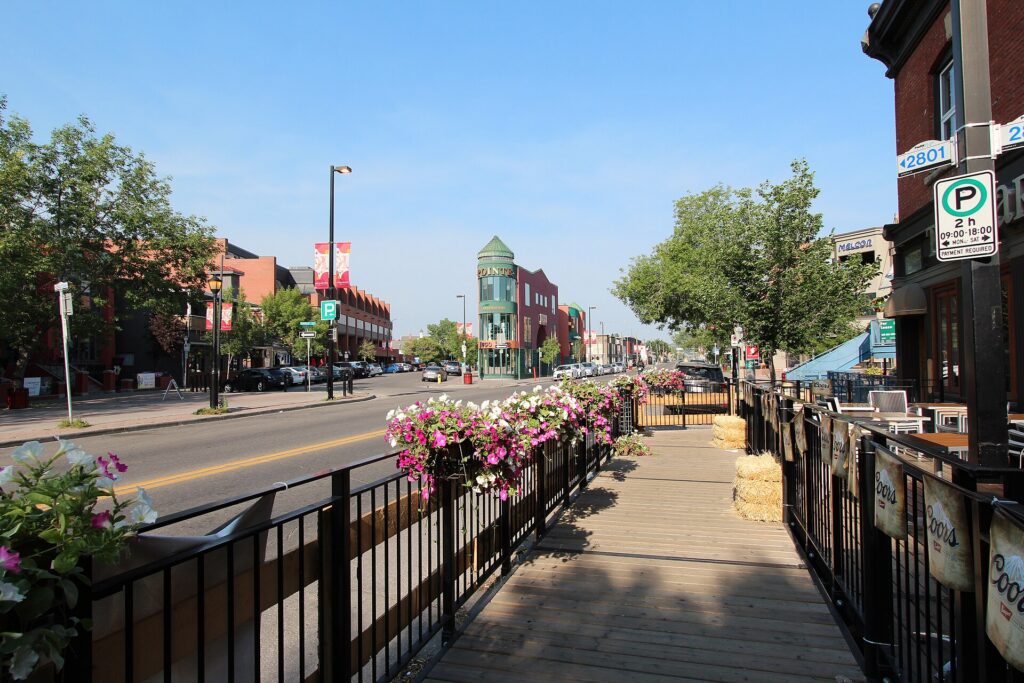
Browse Kensington's cafés, Inglewood's vintage shops and live music, and the patios of 17th Avenue SW, then catch the Folk Music Festival on Prince's Island each July.
Also worth exploring: Werklund Centre (formerly Arts Commons), home to the Calgary Philharmonic Orchestra and Theatre Calgary; Contemporary Calgary in the former planetarium; the Wilder Institute/Calgary Zoo; Lunchbox Theatre; and the giant Wonderland sculpture outside The Bow. Glenbow, the region's major art museum, is finishing a large renovation and has promised free general admission when it reopens.
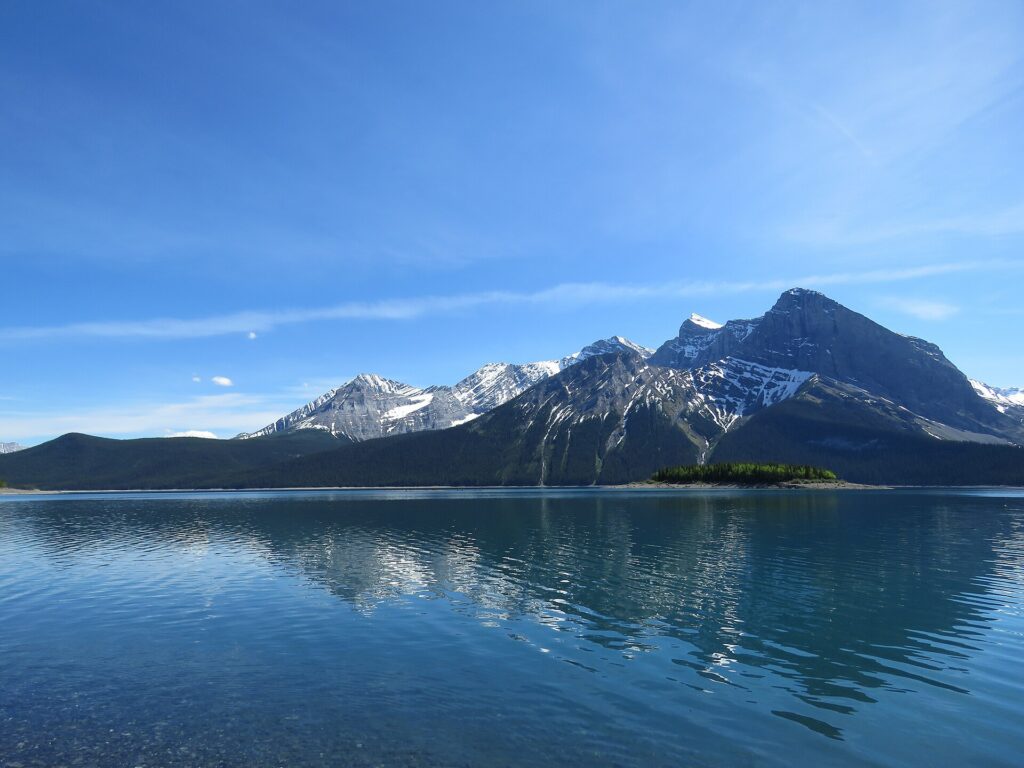
Outdoors & lifestyle
The Bow and Elbow Rivers wind through the city, lined with parks, beaches and calm stretches for summer floats. The City maintains roughly 1,000 km of paved regional pathways, including the 138 km Rotary/Mattamy Greenway that loops around Calgary, so getting from your doorstep to the river valley on foot or by bike is easy.
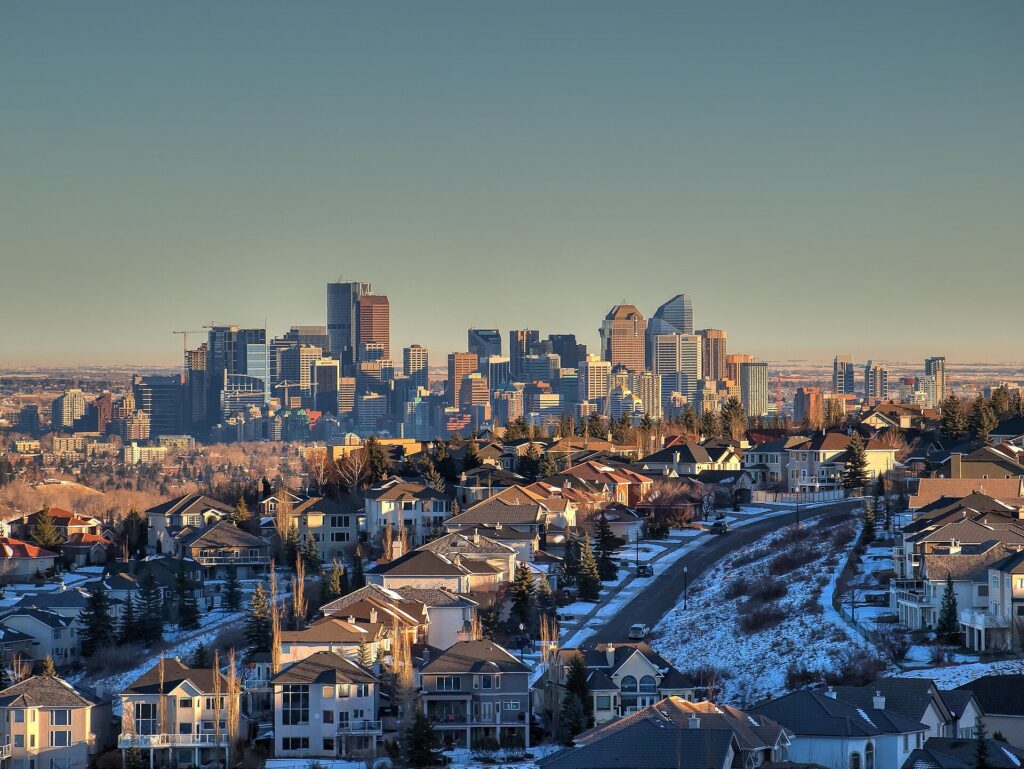
Fish Creek Provincial Park stretches about 19 km across south Calgary and is one of the largest urban parks in Canada. In the northwest, Nose Hill Park protects more than 11 km² of native grassland with sweeping views of the skyline and the Rockies.
When you want real mountains, Banff and Kananaskis are about 90 minutes west. And the weather helps: Calgary is one of Canada's sunniest major cities, and warm chinook winds can lift winter temperatures by 20°C or more within hours.
Lake beaches, mature trees or brand-new builds. Let's find the right community for your family.
Sources: City of Calgary, Government of Alberta, Calgary Public Library, Glenbow and Wikipedia. Figures are approximate and were current as of 2025.